


Understanding phosphorus dynamics in modern water quality management
Water is fundamental to life. It supports human health, sustains wildlife, and underpins the lakes, rivers and reservoirs that communities rely on every day.
Across Europe and beyond, awareness of freshwater quality challenges continues to grow, driven by scientific monitoring, public discussion, and increasing pressure on water resources.

Understanding Eutrophication
Eutrophication remains a significant challenge in many freshwater systems. Elevated nutrient concentrations — particularly phosphorus — can influence water quality conditions and contribute to the development of algae and algal blooms, including harmful algal blooms (HABs). Water managers may also face associated challenges relating to taste and odour, reduced clarity, operational pressures, and compliance with environmental objectives.
These issues can affect lakes, reservoirs, rivers, wetlands, irrigation assets, amenity waters and other managed aquatic systems. As monitoring programmes expand and environmental targets become more stringent, understanding nutrient behaviour within water bodies has become increasingly important.
Sources of Phosphorus in Aquatic Systems
Phosphorus enters water bodies from a range of external catchment sources, including:
- Wastewater discharges
- Agricultural runoff
- Urban stormwater and drainage
- Industrial and diffuse catchment inputs
Over time, phosphorus can also accumulate within bottom sediments. Under certain environmental conditions, this sediment-bound phosphorus may be released back into the water column through sediment–water exchange processes. This phenomenon, often referred to as internal phosphorus loading, can continue even after reductions in external nutrient inputs have been achieved.
For water managers and asset owners, this creates additional complexity in long-term water quality planning and nutrient management programmes.
Measure to Manage
Effective nutrient management begins with understanding system dynamics. Monitoring programmes, sediment investigations, water chemistry analysis and catchment assessments all contribute to building a clearer picture of phosphorus sources, cycling behaviour and management priorities.
A “measure to manage” approach allows water managers to make informed, evidence-based decisions using site-specific data rather than assumptions alone. Increasingly, integrated phosphorus management strategies consider both:
- External phosphorus reduction measures within the catchment
- Internal phosphorus dynamics within sediments and the water column
This broader understanding supports long-term planning and helps guide practical management actions tailored to the conditions of individual water bodies.
Integrated Phosphorus Management Approaches
Phosphorus management programmes may include a combination of approaches depending on site objectives, regulatory requirements and waterbody characteristics. These can include catchment interventions, operational changes, aeration systems, dredging, monitoring programmes and in-water phosphorus binding technologies.
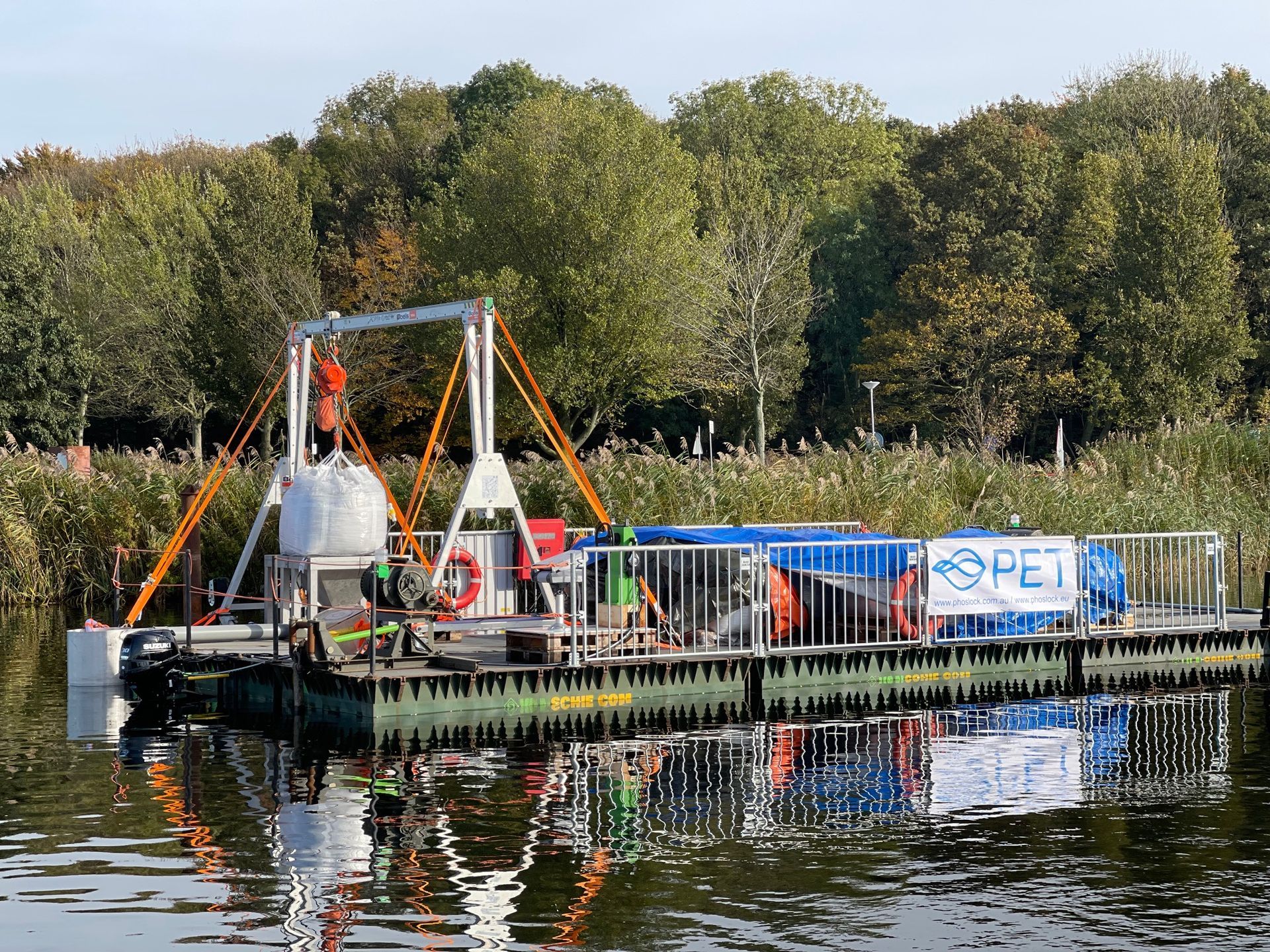
As part of wider phosphorus management programmes, Phoslock® is used in lakes, reservoirs and other managed water bodies to bind free reactive phosphorus in the water column and at the sediment–water interface, forming an insoluble mineral. Phoslock® is a lanthanum-modified bentonite developed specifically for phosphorus management applications.
Understanding the role of phosphorus within aquatic systems remains central to developing effective, sustainable water quality management strategies.
Building Knowledge Through Monitoring and Collaboration
Nutrient management is not a single action but an ongoing process of assessment, monitoring and adaptation. As environmental pressures evolve and expectations around water quality continue to increase, collaboration between utilities, regulators, consultants, researchers and site managers will remain essential.
By improving understanding of phosphorus cycling and supporting evidence-based management approaches, water managers are better positioned to respond to long-term water quality challenges across a wide range of aquatic environments.
Share this article





 by
by