


Location: Sandhurst Lake Fishery, Berkshire/Hampshire Border
Fishery Owner:Nick Leach
This article is based on a case study prepared by Nick Leach, owner of Sandhurst Lake Fishery. The original document outlines the water-quality challenges experienced at the site and the lake management strategy implemented to address internal phosphorus loading.
The following article summarises the project and includes selected comments from Nick about the outcomes at the fishery.
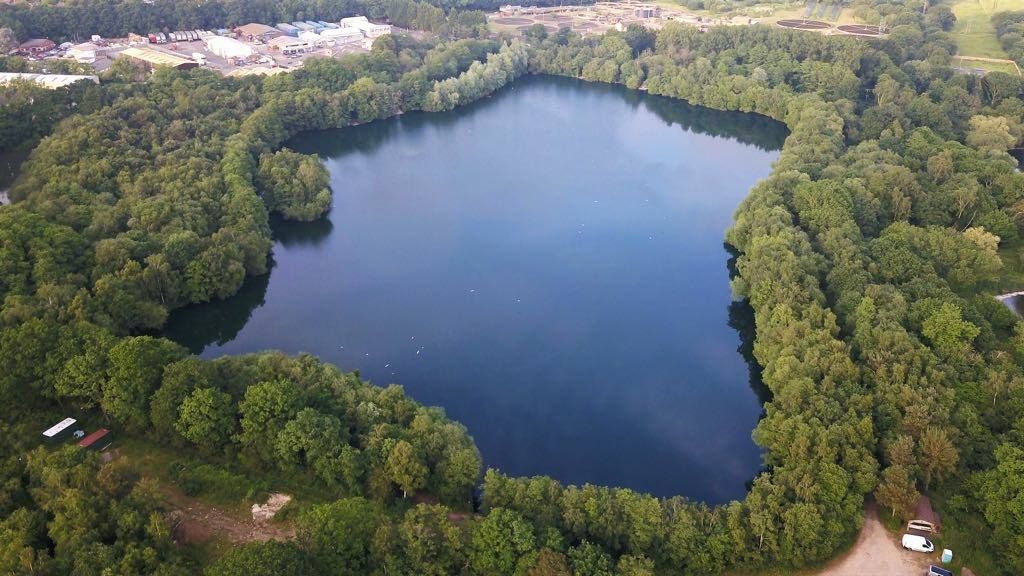
The Challenge: Nutrient Pressures in Managed Fisheries
Across the UK, many fisheries and recreational lakes experience long-term water-quality pressures linked to nutrient enrichment. Phosphorus entering lakes from historic or catchment sources can accumulate in sediments and later be released back into the water column.
These processes are widely discussed in the context of eutrophication, where elevated nutrients can increase the likelihood of algal blooms and cyanobacteria occurring in freshwater environments.
Sandhurst Lake Fishery — a well-known specimen carp fishery located on the Berkshire/Hampshire border — experienced similar challenges.
Nick Leach explains:
“Like many urban lakes, Sandhurst Lake experienced declining water quality driven by elevated nutrient loads, particularly phosphorus, leading to algal blooms, reduced water clarity, and periodic ecological stress.”
Monitoring later identified a key underlying factor.
“Historical nutrient inputs had accumulated in the sediments, releasing bioavailable phosphorus back into the water column under certain conditions."
Testimonial
“Following the Phoslock® application, Sandhurst Lake showed measurable improvements in water quality, including improved clarity and fewer algal events.”
— Nick Leach, Sandhurst Lake Fishery
Understanding Internal Phosphorus Loading in Lakes
Many fisheries focus on controlling nutrient inputs from surrounding land. However, even when external inputs are reduced, phosphorus stored in lake sediments can continue to influence water quality.
This phenomenon, known as internal phosphorus loading, occurs when phosphorus bound in sediments becomes mobile and re-enters the water column through chemical or physical processes.
For fisheries managers and lake owners, this can mean that water-quality improvements are difficult to sustain without addressing phosphorus already stored within the lake system.
Lake Management Objectives at Sandhurst Lake
The management programme at Sandhurst Lake focused on improving water conditions while addressing the internal nutrient source.
As Nick Leach describes:
“Conventional management measures alone were insufficient to achieve sustained water quality improvement, prompting the need for an in-lake phosphorus control solution.”
Key objectives included:
- Reducing bioavailable phosphorus concentrations in the water column
- Interrupting internal phosphorus recycling from sediments
- Improving water clarity and visual appearance
- Reducing silt in combination with chalk applications
- Supporting long-term fishery and lake management
Phosphorus Binding with Phoslock®
In response to these challenges, an in-lake phosphorus binding approach was implemented.
Phoslock® is a lanthanum-modified bentonite clay designed to bind soluble reactive phosphorus (SRP) in the water column and at the sediment–water interface. When lanthanum reacts with phosphate, it forms a stable, insoluble mineral.
This process reduces the concentration of bioavailable phosphorus in the water column and stabilises mobile phosphorus associated with lake sediments.
According to the project documentation:
“Phoslock® was selected as the preferred treatment due to its proven effectiveness in binding soluble reactive phosphorus and forming a stable, insoluble compound.”
Treatment planning considered several technical factors including:
- Lake volume
- Existing phosphorus concentrations
- Sediment characteristics
Implementation at Sandhurst Lake
The treatment programme followed a structured lake management process.
Baseline monitoring
Pre-treatment monitoring established baseline water-quality conditions.
Controlled application
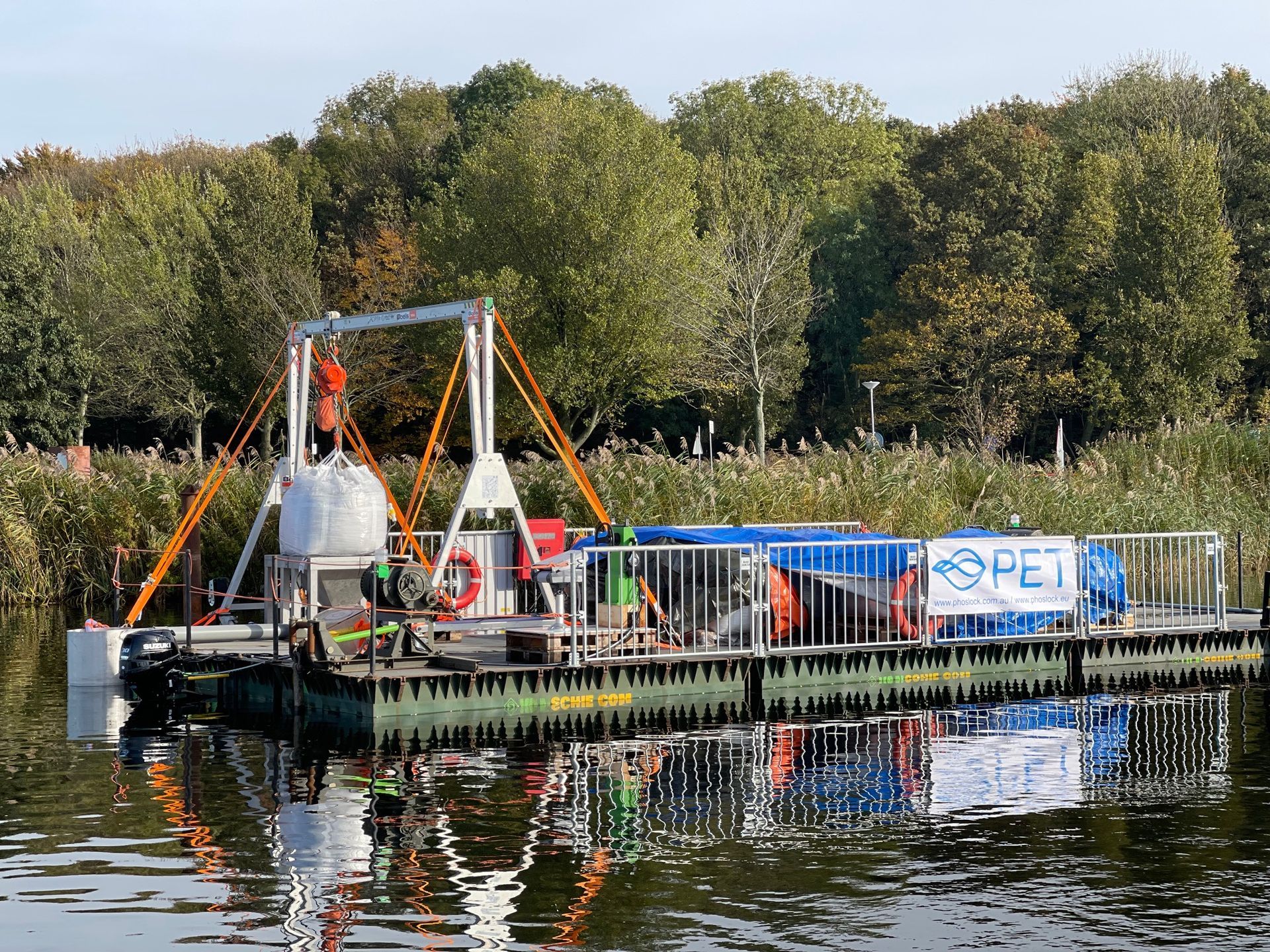
Phoslock® was applied evenly across the lake surface using controlled spreading techniques.
Post-treatment monitoring
Water-quality monitoring continued after application to assess changes in phosphorus concentrations and other indicators.
Observed Changes in Water Quality
Monitoring after treatment identified measurable changes in several water-quality parameters.
Reported outcomes included:
- Significant reductions in soluble reactive phosphorus (SRP)
- Improved water clarity and visual appearance
- Increased stability of phosphorus associated with sediments
- Substantially improved COD position across lake
These results indicate that phosphorus previously available for recycling within the system had been chemically bound and stabilised.
5 Questions with Nick Leach
1. What first made you realise Sandhurst Lake had a water-quality problem?
“Over time we noticed declining water clarity and more frequent water-quality issues that were affecting the overall condition of the lake.”
2. What management options did you consider?
“We had already tried a number of conventional approaches, but they didn’t deliver the sustained improvements we were looking for.”
3. Why did you decide to address internal phosphorus loading?
“Monitoring showed that a lot of the phosphorus influencing the lake was coming from the sediments rather than just the surrounding catchment.”
4. What differences did you observe after treatment?
“The most noticeable change was the improvement in water clarity and overall appearance of the lake.”
5. What advice would you give other fishery owners?
“Understanding what’s happening within your sediments is really important. Once you understand the phosphorus dynamics in your lake, you can start looking at the right management approach.”
Long-Term Fishery and Lake Management
Internal phosphorus loading can influence lake water quality over long timeframes. As a result, many lake management strategies include ongoing monitoring and periodic maintenance treatments.
At Sandhurst Lake, monitoring continues to support long-term planning.
“Continued monitoring and annual top-up applications are recommended to maintain water quality gains and support the long-term health of the fishery.
Key Takeaways for Fisheries and Lake Managers
- Internal phosphorus loading can sustain elevated nutrient concentrations in lakes.
- Addressing phosphorus stored in sediments can be an important part of lake management strategies.
- Phoslock® provides a chemical binding mechanism for soluble reactive phosphorus (SRP) in water bodies.
- Monitoring data is essential for designing and maintaining effective water-quality programmes in fisheries and recreational lakes.
If you manage a fishery, reservoir, golf course lake, or amenity water body, understanding internal phosphorus loading can help inform long-term water-quality management decisions.
Links
Original case study authored by Nick Leach (PDF)
Sandhurst Lake Fishery website: https://www.sandhurstlake.co.uk/
Sandhurst lake Facebook page: https://www.facebook.com/sandhurst.lake
Share this article






 by
by