


Phosphorus management strategies for golf course lakes, ponds and managed water features
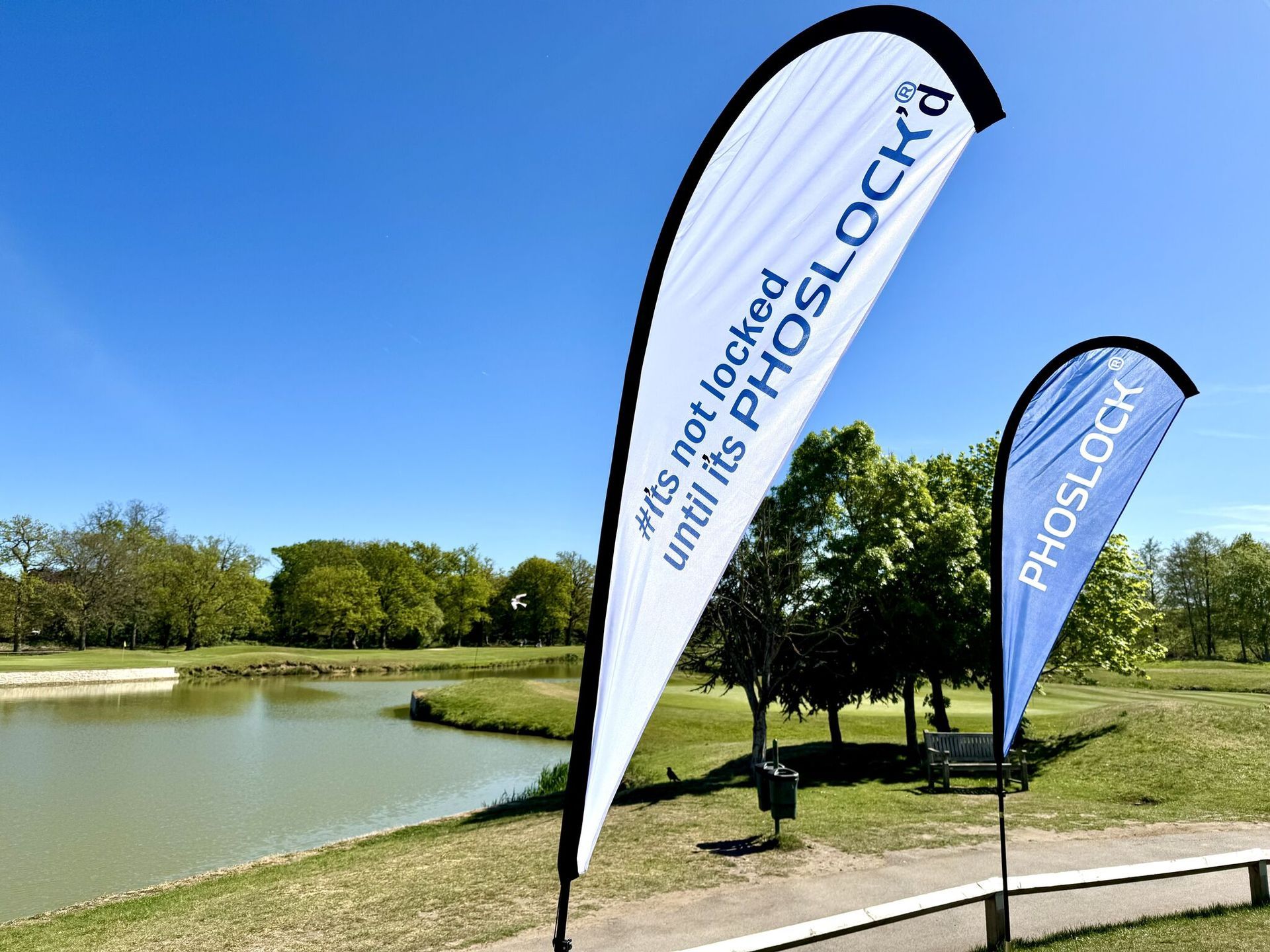
Golf courses are designed to deliver high-quality playing surfaces, attractive landscapes and memorable visitor experiences. Across many courses, lakes and ponds form an important part of both the visual environment and wider water management infrastructure.
Maintaining these water bodies, however, presents growing challenges for course managers and greenkeeping teams — particularly where nutrient accumulation begins to affect water quality conditions.
The Challenge of Nutrient Build-Up
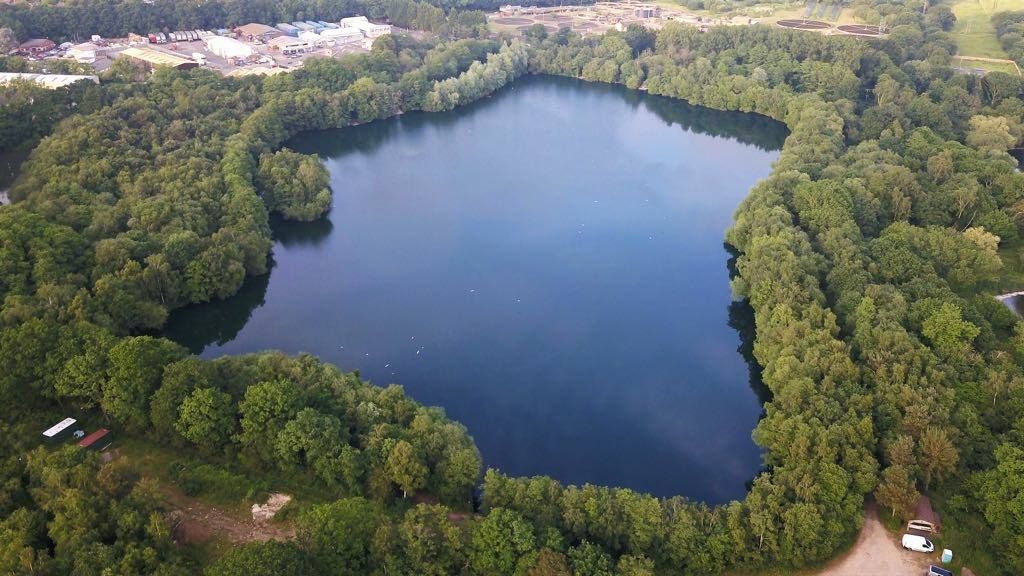
Across managed water bodies, phosphorus accumulation remains a key contributor to eutrophication. Elevated nutrient concentrations can contribute to the development of algae and algal blooms, including harmful algal blooms (HABs), while also influencing water clarity, sediment conditions and wider water quality management objectives.
On golf courses, phosphorus can enter ponds and lakes through a variety of pathways, including:
- Surface runoff
- Fertiliser applications
- Organic debris and leaf litter
- Sediment accumulation over time
As phosphorus builds within sediments, internal phosphorus loading can continue to influence water quality conditions even where external inputs are being actively managed.
Water Quality and Course Presentation
For golf course operators, water features are often highly visible parts of the playing environment. Poor water clarity, sediment disturbance and nutrient-related water quality pressures can affect both aesthetics and ongoing maintenance requirements.
As part of broader sustainability and course management programmes, many clubs are increasingly reviewing nutrient management strategies to better understand phosphorus behaviour within their lakes and ponds.
Monitoring, catchment awareness and site-specific water management planning are becoming increasingly important components of long-term course stewardship.
Phosphorus Management Approaches for Golf Courses
Integrated phosphorus management programmes may include operational changes, runoff reduction measures, aeration systems, sediment management and in-water phosphorus binding technologies.
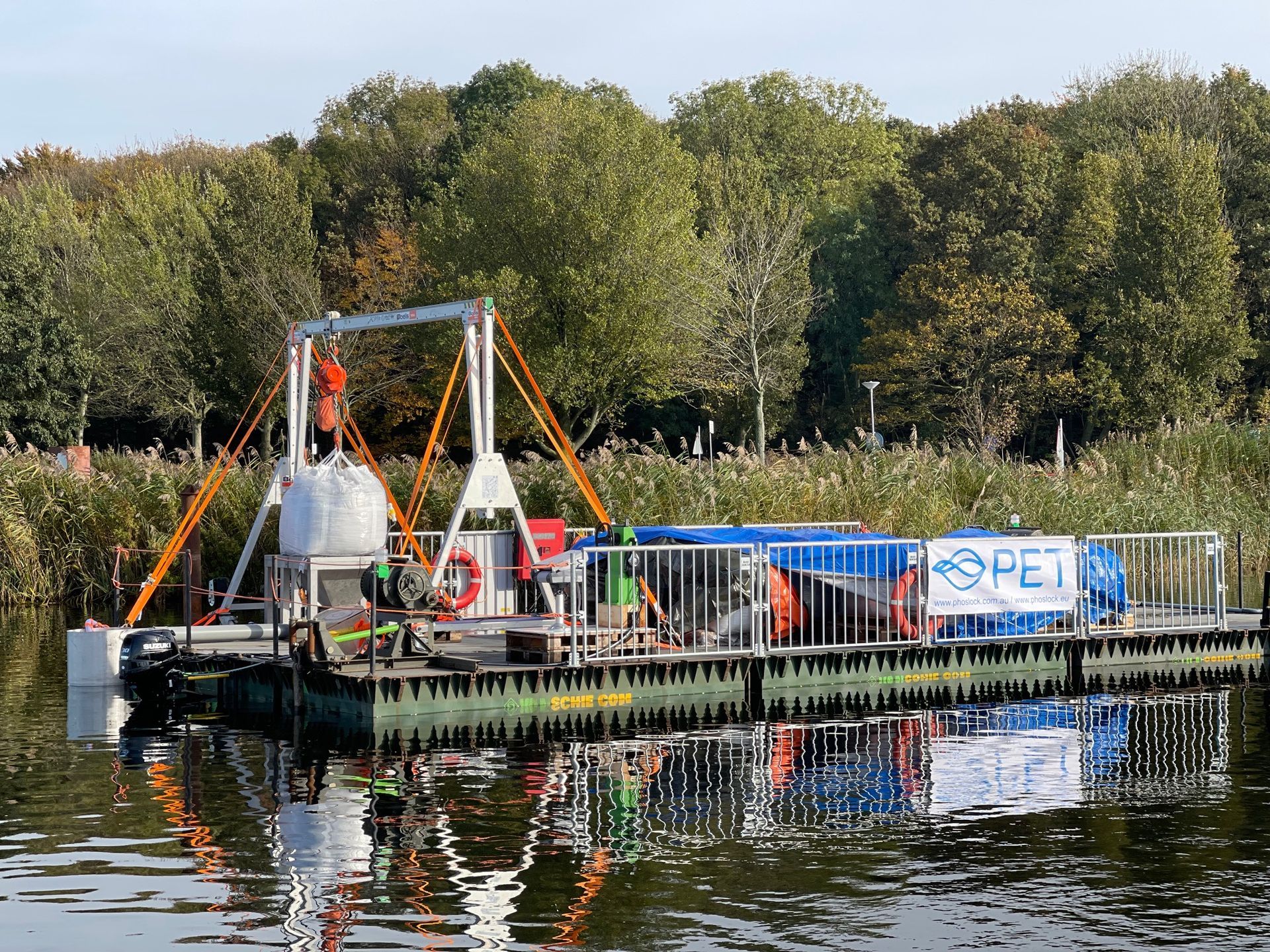
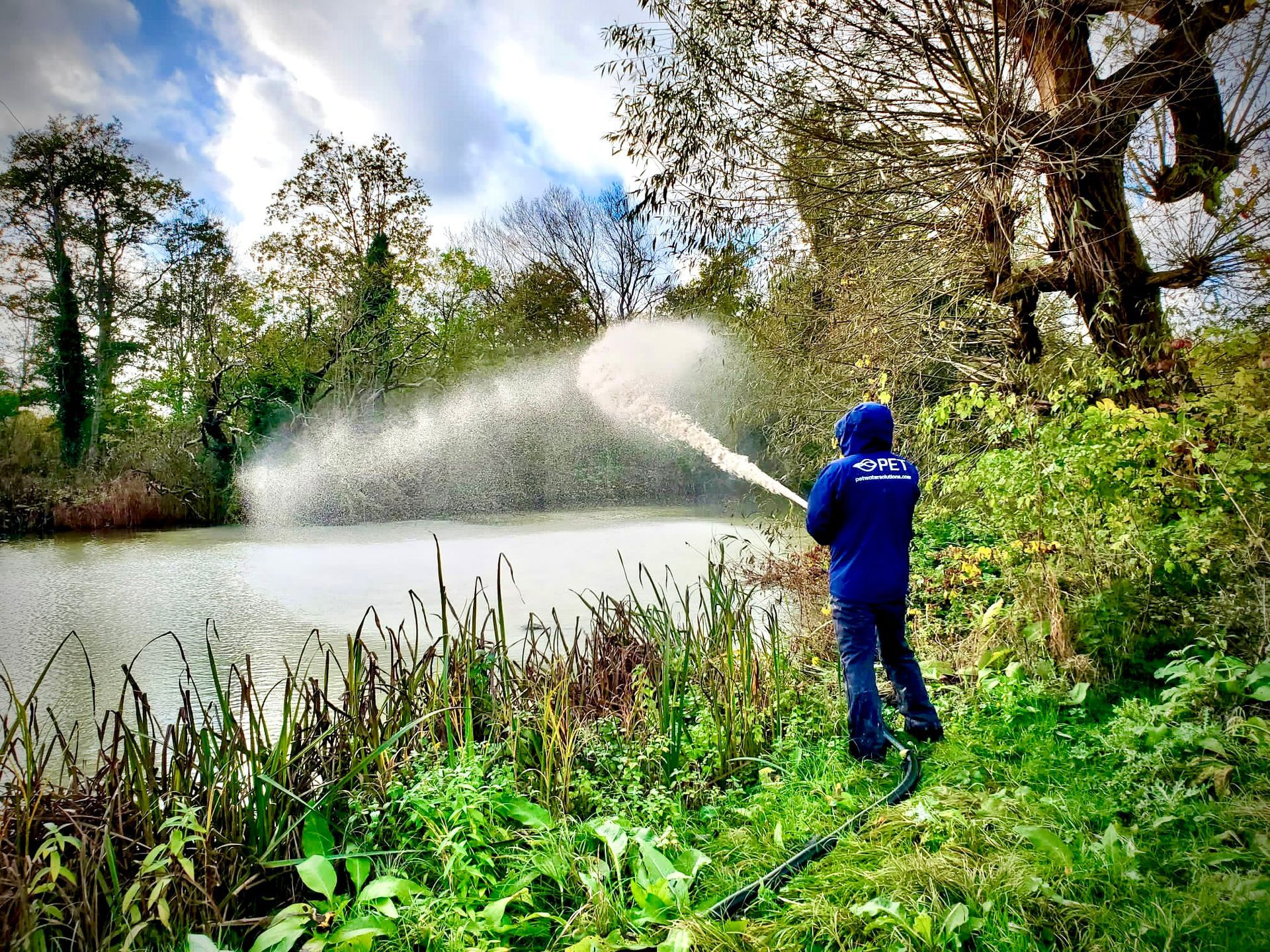
As part of wider phosphorus management strategies, Phoslock® is used in lakes, ponds and reservoirs to bind free reactive phosphorus in the water column and at the sediment–water interface, forming an insoluble mineral. Phoslock® is a lanthanum-modified bentonite developed specifically for phosphorus management applications.
By focusing on phosphorus management and long-term monitoring, golf courses can support more consistent water quality outcomes across managed aquatic environments.
Driving Sustainable Course Management
Golf course sustainability increasingly extends beyond turf management alone. Water resources, irrigation infrastructure and aquatic assets all form part of the broader environmental management picture for modern clubs and resorts.
Understanding nutrient dynamics and implementing evidence-based phosphorus management strategies can help course managers make informed decisions tailored to the unique conditions of their water bodies.
Whether supporting irrigation reservoirs, landscape ponds or highly visible course features, effective nutrient management remains an important part of long-term golf course water stewardship.
Share this article




 by
by