


The publication of a new peer-reviewed study on Lake Kralingse Plas in the Netherlands marks an important milestone for lake restoration practitioners across Europe
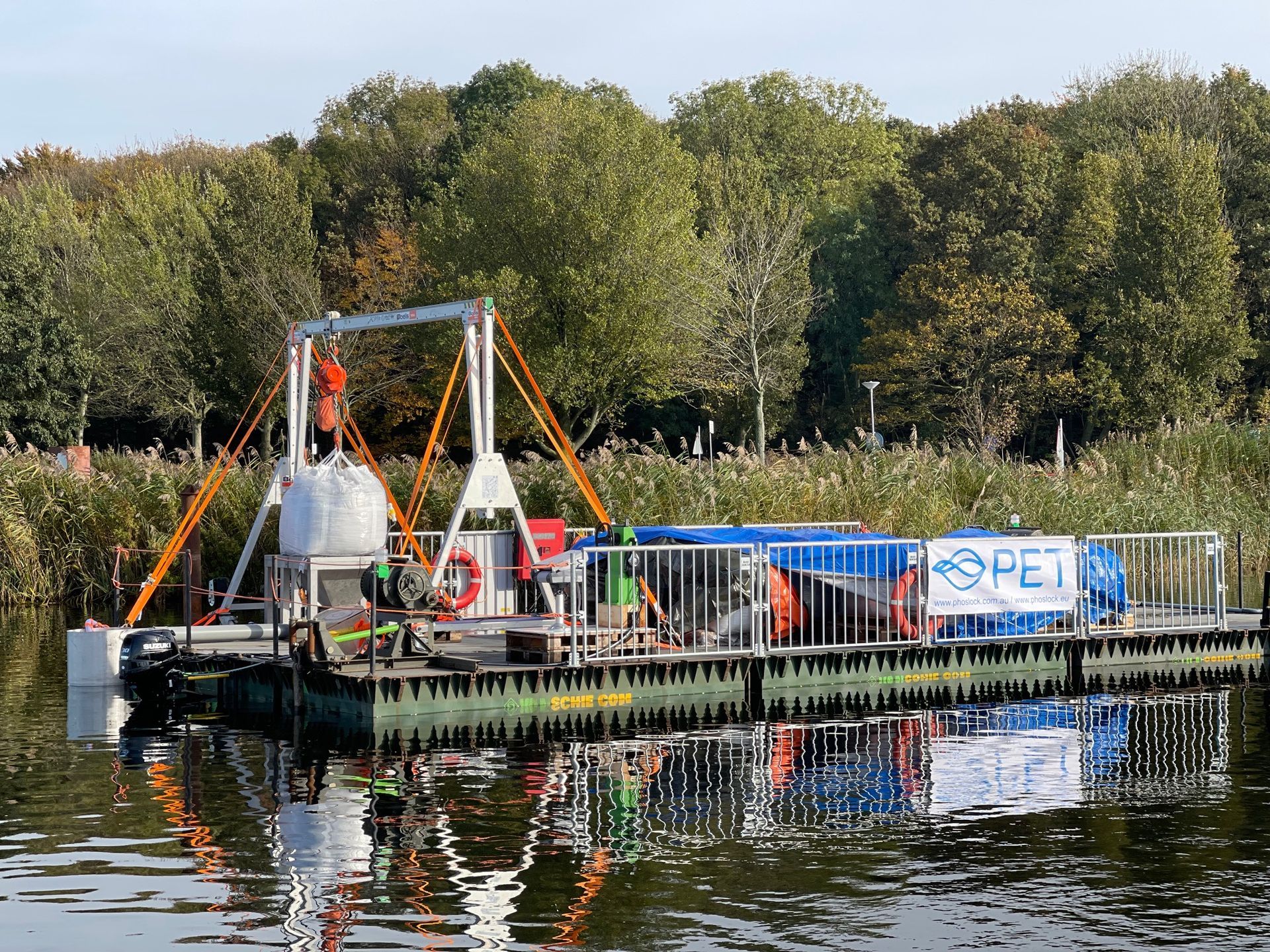
Led by researcher Li Kang and an international team of collaborators, the study presents the first long-term evaluation of the largest lanthanum-modified bentonite (LMB) application assessed in Western Europe.
More importantly, it provides valuable insight into what can be achieved when phosphorus management is supported by robust science, stakeholder engagement and long-term monitoring.
The Challenge
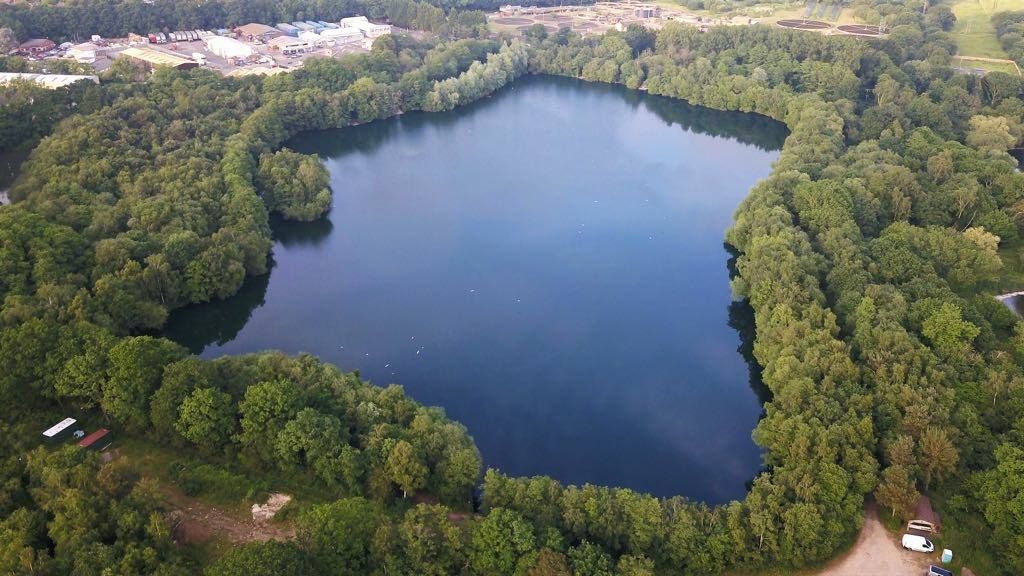
Lake Kralingse Plas is a 114-hectare shallow urban lake located in Rotterdam. For decades, the lake experienced the effects of eutrophication associated with historic nutrient enrichment. Like many water bodies across Europe, the lake faced ongoing water quality challenges and was under pressure to meet the objectives of the European Water Framework Directive (WFD).
Over many years, local authorities implemented a series of restoration measures aimed at reducing nutrient inputs and improving overall water quality. These efforts included sediment management, infrastructure improvements, nutrient control measures and extensive system analysis to better understand the sources and movement of phosphorus within the lake.
In response to these challenges, a comprehensive restoration programme was developed that combined external nutrient reduction measures with internal phosphorus management.
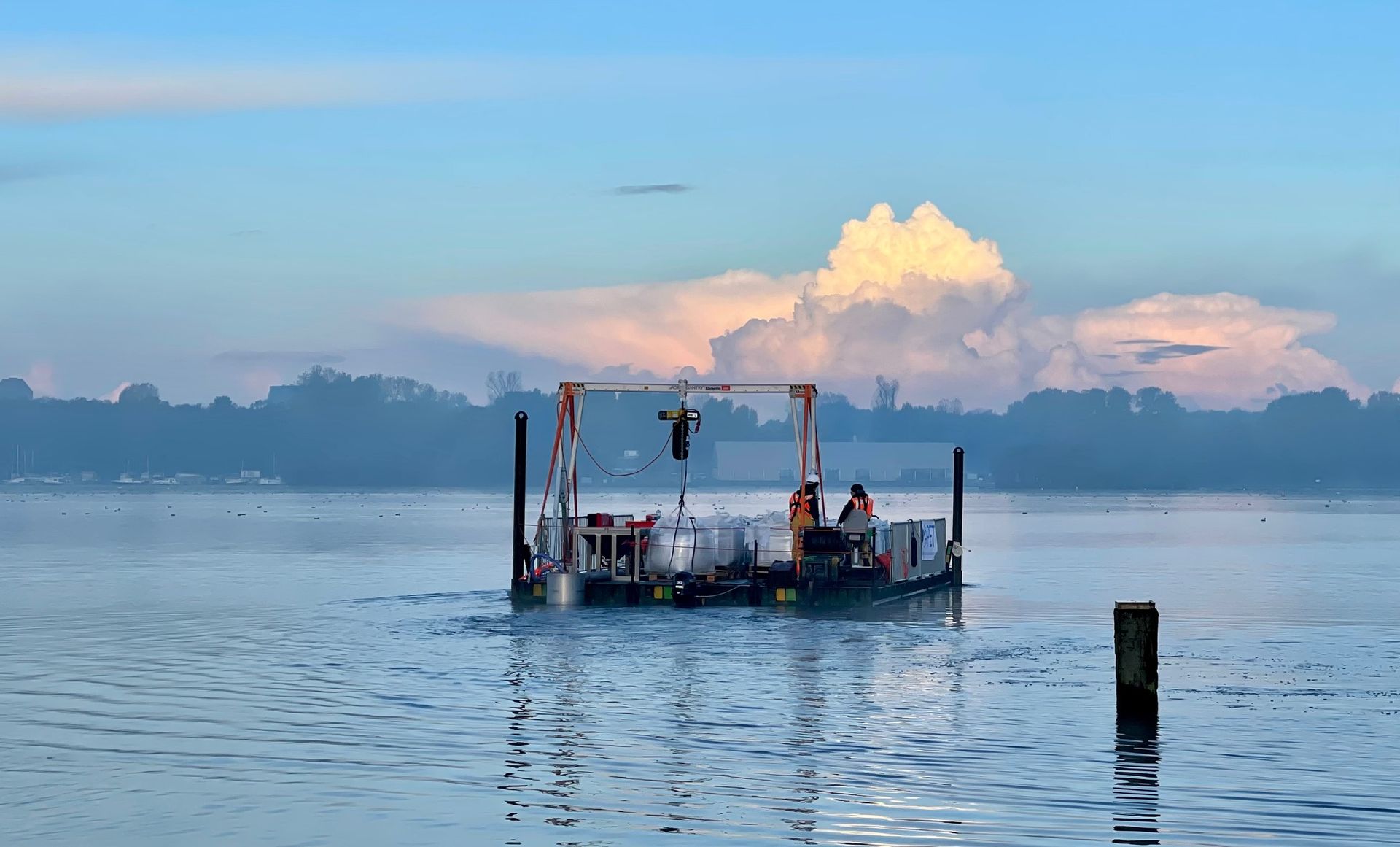
A Restoration Project Built on proven Phoslock Science
One of the key findings highlighted in the paper is the importance of undertaking a thorough system analysis before selecting restoration measures..
While it is important to note that not all Phoslock applications require this level of scientific undertaking, analysis and research (depending on site conditions and complexities), the Kralingse Plas project was not simply a product application. It was the result of years of investigation, planning, testing and consultation involving researchers, water authorities, municipal stakeholders and local communities.
As the authors note, the restoration strategy included:
- Reductions in external phosphorus inputs
- Infrastructure improvements to limit nutrient-rich inflows
- Ongoing management of nutrient sources around the lake
- Detailed sediment investigations
- Stakeholder engagement and public consultation
- Targeted phosphorus binding using lanthanum-modified bentonite.
This integrated approach reflects a growing understanding within the water sector that successful lake restoration requires both scientific evidence and stakeholder support.
Delivering at Scale
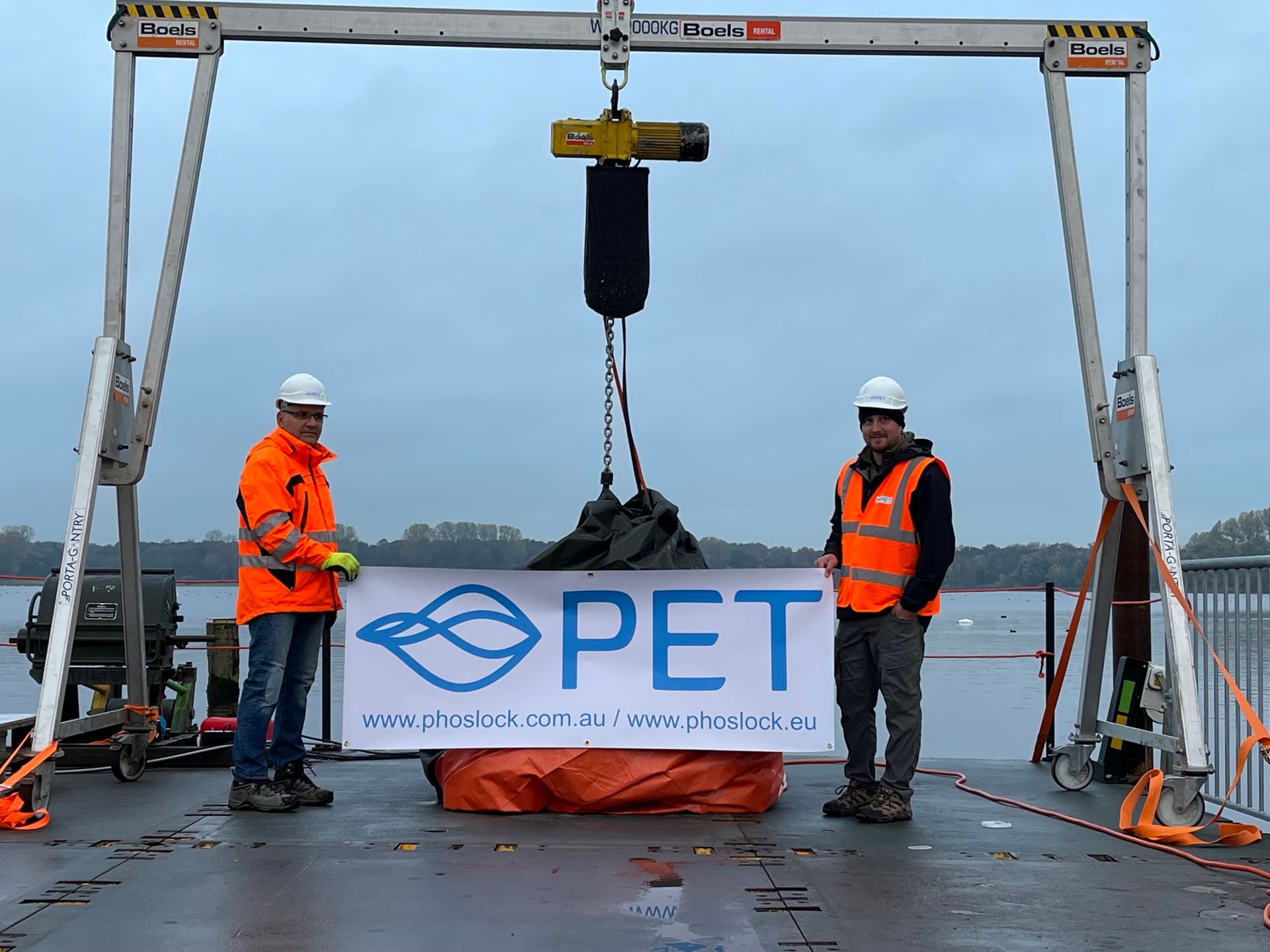
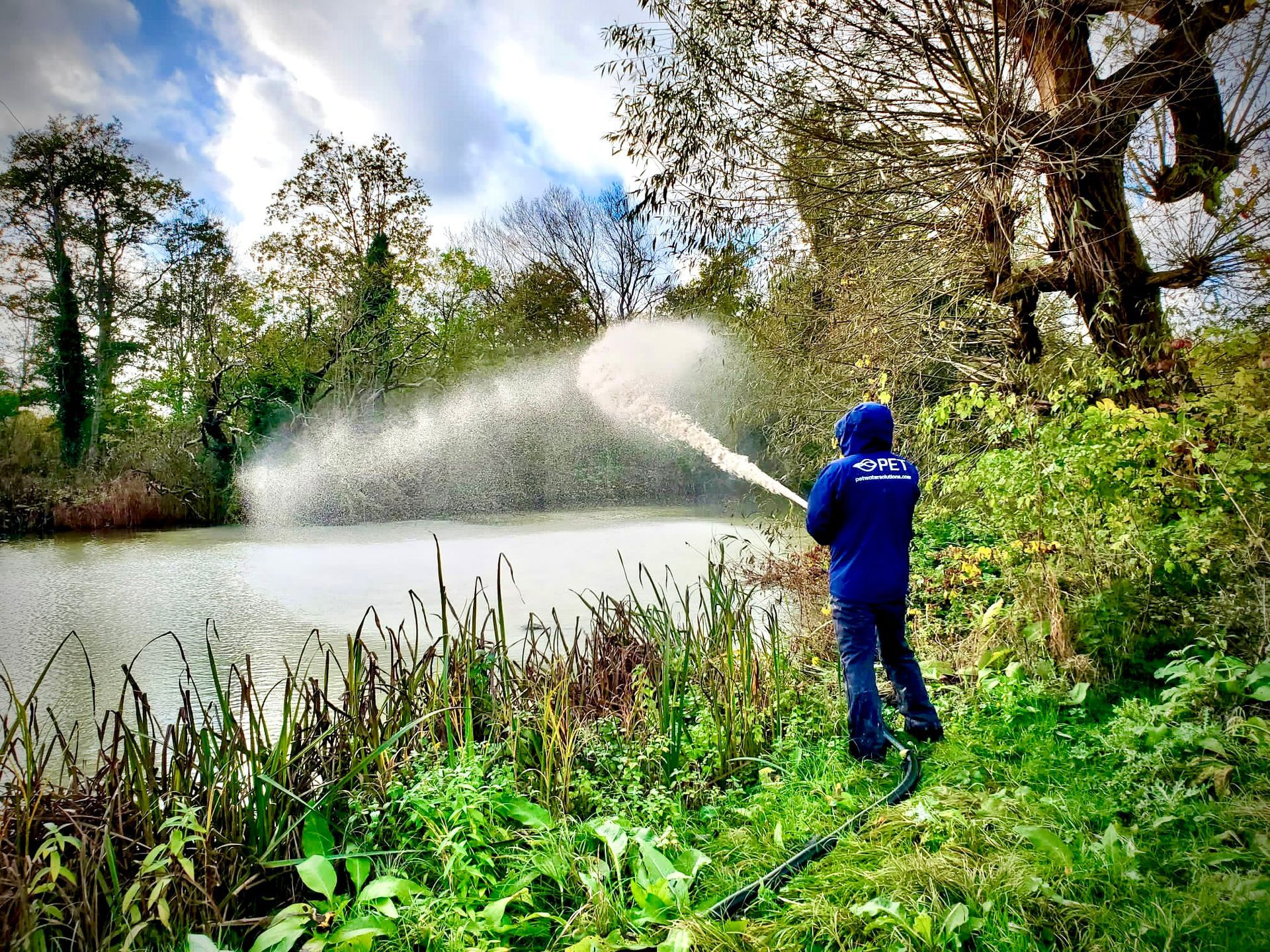
In November 2021, 1,064 tonnes of Phoslock® were applied across the entire lake.
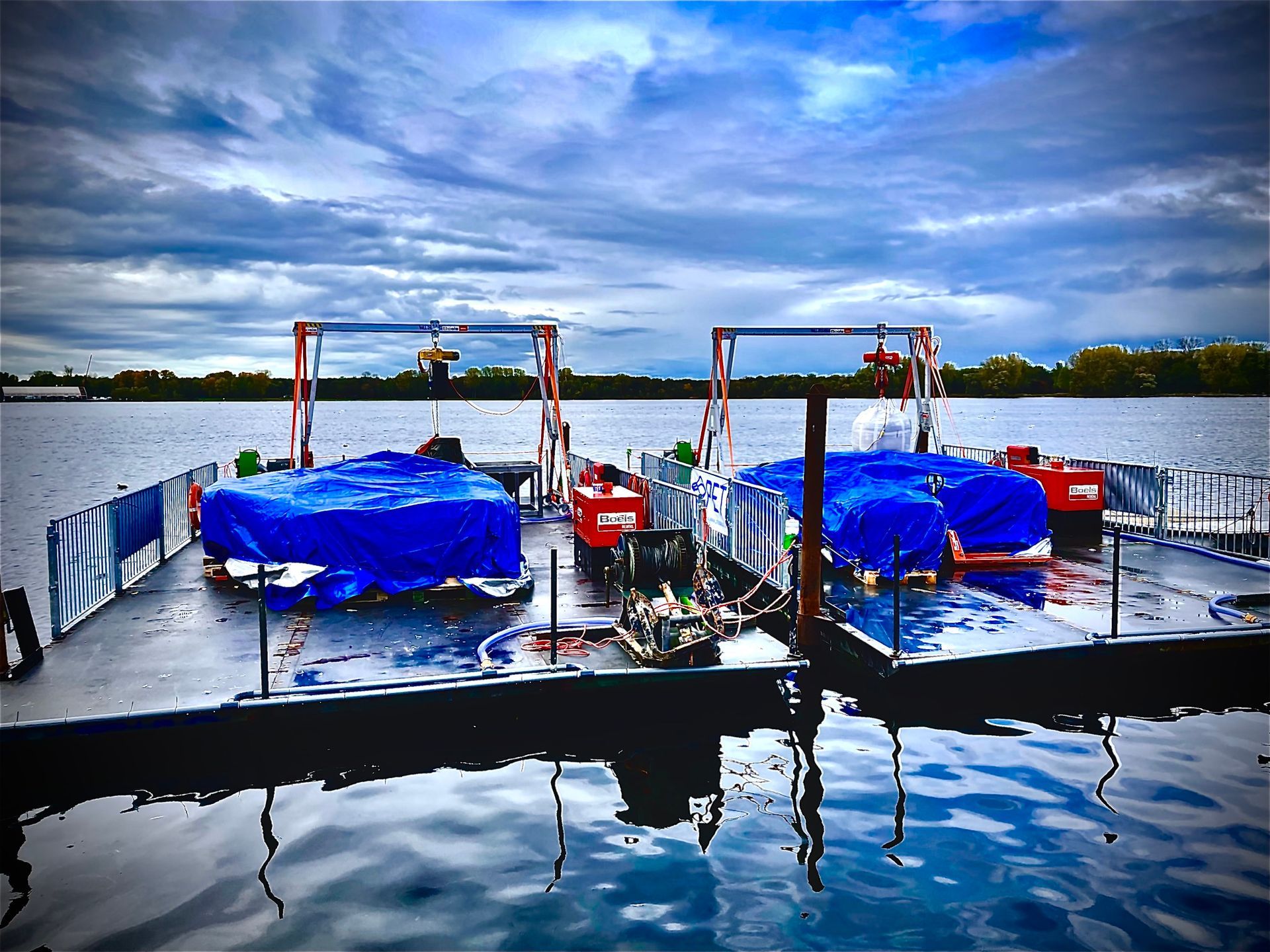
The application remains the largest evaluated LMB project in Western Europe and required significant logistical planning. The lake was divided into 42 management zones, with dosing rates determined according to measured mobile phosphorus concentrations within the sediment.
GPS-guided application barges ensured accurate placement throughout the lake, demonstrating how modern restoration projects increasingly combine scientific precision with large-scale operational delivery.
As noted by project participants following publication of the study, effective communication, stakeholder management and collaboration were just as important as the technical aspects of the application itself.
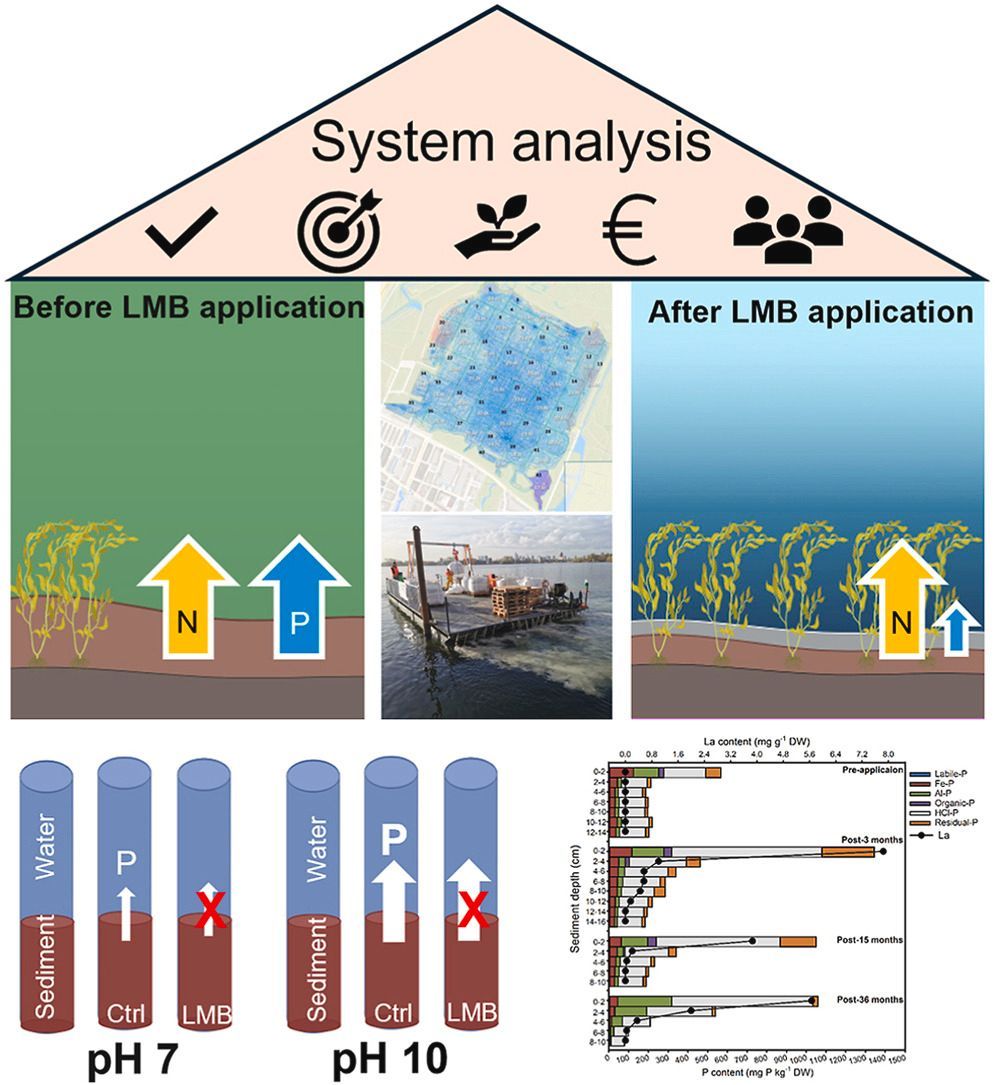
From planning to performance: the Kralingse Plas project combined system analysis, targeted Phoslock® application and long-term monitoring. The study found increased sediment phosphorus stability and sustained reductions in sediment phosphorus release over a 36-month evaluation period.
Ref: Restoration of the shallow lake Kralingse Plas, the Netherlands, with emphasis on lanthanum-modified bentonite - Li Kang et all, July 2026
Why the 36-Month Evaluation Matters
Perhaps the most significant contribution of the study is not the scale of the application, but the duration of the evaluation.
Many restoration projects report results after a single season or within the first year of implementation. In contrast, the Kralingse Plas study assessed conditions before application and then again at 3, 15 and 36 months after treatment.
For lake managers, this longer-term perspective is critical.
The question is rarely whether phosphorus concentrations can be reduced immediately after intervention. The more important question is whether those improvements can be maintained over time.
The monitoring programme showed that phosphorus concentrations remained substantially lower throughout the monitoring period, while sediment phosphorus release remained strongly reduced compared with pre-application conditions.
These findings provide valuable evidence for decision-makers evaluating long-term phosphorus management strategies.
Understanding Phosphorus Stability
A particular area of interest in the study was the behaviour of phosphorus under alkaline conditions.
Shallow lakes can periodically experience elevated pH levels, which may influence sediment-water phosphorus exchange processes. Understanding how phosphorus binding mechanisms perform under these conditions is therefore an important consideration when selecting restoration measures.
The researchers found that phosphorus associated with lanthanum remained stable throughout the study period, including under high-pH conditions representative of those that can occur in shallow eutrophic lakes.
The study also documented an increase in the immobile phosphorus fraction within the sediment, indicating a shift towards more stable phosphorus forms over time.
For restoration practitioners, these findings contribute to a growing body of evidence supporting the role of lanthanum-modified bentonite as part of wider phosphorus management programmes.
Beyond the Science: The Human Dimension
One of the most valuable lessons from Kralingse Plas may be that successful restoration extends beyond technical performance.
The paper highlights the extensive stakeholder engagement process that preceded implementation. Previous restoration efforts had not always delivered the desired outcomes, creating understandable scepticism among some stakeholders.
Through consultation, independent testing, risk assessment and ongoing communication, project partners worked to build confidence in the proposed approach.
This experience reflects a reality familiar to many water managers: successful restoration depends not only on sound science, but also on trust, transparency and collaboration.
Looking Ahead
The Kralingse Plas project demonstrates what can be achieved when long-term planning, phosphorus management and stakeholder engagement are brought together within a single restoration strategy.
Three years after application, the study provides evidence of sustained reductions in internal phosphorus loading, increased phosphorus stability within the sediment and continued improvements in key water quality indicators.
Perhaps most importantly, it reinforces a broader lesson for lake restoration projects across Europe: addressing decades of accumulated nutrient pollution requires both commitment and patience, but meaningful improvements are possible when interventions are guided by robust science and supported by comprehensive management programmes.
We congratulate Li Kang and all co-authors on the publication of this important contribution to the lake restoration literature and look forward to seeing how its findings help inform future phosphorus management projects throughout Europe.
Share this article




 by
by